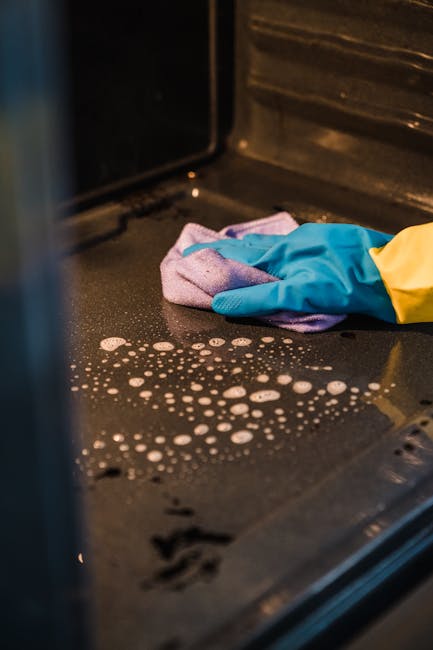
Roundhouse oven cleaning services Chalk Farm NW1: a practical guide for cleaner cooking, safer kitchens, and less hassle
If your oven has started to smoke a little when it heats up, or the glass door now looks more "frosted" than transparent, you are not alone. Roundhouse oven cleaning services Chalk Farm NW1 are often sought by homeowners, tenants, landlords, and busy households who want a proper clean without the faff, the mess, or the risk of scratching expensive surfaces. In a kitchen like a Roundhouse one, where design and finish really matter, the cleaning approach has to be careful as well as effective.
This guide explains what the service involves, why it matters, how it works, what to expect, and how to choose the right approach for your kitchen. It also covers practical tips, common mistakes, and the small details that make the difference between a quick wipe-down and a genuinely deep, worthwhile clean.
Table of Contents
- Why Roundhouse oven cleaning services Chalk Farm NW1 Matters
- How Roundhouse oven cleaning services Chalk Farm NW1 Works
- Key Benefits and Practical Advantages
- Who This Is For and When It Makes Sense
- Step-by-Step Guidance
- Expert Tips for Better Results
- Common Mistakes to Avoid
- Tools, Resources and Recommendations
- Law, Compliance, Standards, or Best Practice
- Options, Methods, or Comparison Table
- Case Study or Real-World Example
- Practical Checklist
- Conclusion
- Frequently Asked Questions
Why Roundhouse oven cleaning services Chalk Farm NW1 Matters
A good oven clean is not just about appearances. In a busy kitchen, grease, carbon build-up, spilled sauces, and burnt-on crumbs can affect how the oven performs. Heat distribution becomes less even. Smells linger. Smoke appears sooner than it should. And let's be honest, nobody enjoys opening the oven to find a sticky layer that has been there long enough to become part of the furniture.
For Roundhouse kitchens in Chalk Farm NW1, this matters even more because the kitchen itself is often a considered design feature. Roundhouse units are known for their clean lines and premium finishes, so an oven covered in baked-on residue can spoil the whole room. The appliance also tends to sit within fitted cabinetry, which means care is needed around panels, handles, surrounding trims, and ventilation points.
There is also a practical side. When the oven is cleaner, food tastes more as it should, smoke alarms are less likely to be triggered by harmless but unpleasant build-up, and the appliance is easier to use day to day. You notice the difference the next time you roast vegetables or bake something that should smell inviting rather than vaguely burnt. Small thing? Maybe. But it adds up.
Key point: a proper oven cleaning service is partly about hygiene, partly about performance, and partly about protecting the look and value of a well-finished kitchen.
In a fitted kitchen, a careful clean is rarely "just a clean". It is maintenance, presentation, and peace of mind rolled into one.
Related home care often goes hand in hand with other surface cleaning needs too, which is why some households also look at stain removal for worktops or nearby fabric surfaces, and even broader services such as upholstery cleaning when the whole home needs a reset.
How Roundhouse oven cleaning services Chalk Farm NW1 Works
A professional oven clean usually follows a careful process rather than a one-product, one-wipe approach. The exact method can vary depending on oven type, condition, and finish, but the general idea is consistent: loosen the grime safely, remove the residue thoroughly, and leave the appliance ready for use again.
First, the cleaner inspects the oven. That sounds basic, but it is a useful step. Built-in ovens, fan ovens, range-style ovens, and combination appliances all behave a little differently. Door seals, racks, trays, fans, and liners may also need different handling. A careful inspection helps avoid damage from the start.
Next, removable parts are taken out where appropriate. These often include shelves, trays, racks, and sometimes door glass components that can be cleaned separately. The interior is then treated with products chosen for oven grease rather than everyday kitchen dirt. Burnt-on fat and carbon deposits need time to break down properly. Rushing this stage is where weaker cleans often fall apart.
After that comes the physical cleaning. Grime is lifted, scrubbed, and wiped away from the cavity, door, seals, corners, and edges. The fan area and vents may also be checked, though a good cleaner knows where it is safe to work and where not to force anything. A proper finish should look clean, but also feel dry, tidy, and not chemically slick.
Finally, the parts are reassembled, the external surfaces are polished, and the oven is checked for a neat, usable finish. If the oven is heavily soiled, some stains may need a bit more attention. That is normal. Truth be told, an oven that has not been deep cleaned in a while can be surprisingly stubborn.
If you are comparing household services in the area, it can also help to think of oven cleaning as part of a wider maintenance rhythm. Many customers pair it with carpet cleaning or steam carpet cleaning when they want the property to feel properly refreshed, not just visually tidied.
Key Benefits and Practical Advantages
The main benefits are easy to understand, but the detail matters. A well-cleaned oven can save time, reduce unpleasant smells, and make cooking feel less of a chore. There is something quietly satisfying about opening the door and seeing a clean cavity, a clear pane of glass, and racks that are free from sticky residue. You feel it immediately.
- Better hygiene: food splatter, grease, and carbon build-up are removed rather than simply covered up.
- Improved cooking performance: heat circulation tends to be more consistent when residue is not interfering with the oven.
- Less smoke and odour: old grease burns at high temperatures and can produce strong smells.
- Longer-lasting appearance: careful cleaning helps protect the finish on the oven and surrounding surfaces.
- Reduced DIY stress: no scraping, no harsh fumes, no trial and error at 9pm on a Tuesday.
- Better presentation: useful for landlords, tenants moving out, and anyone who cares about the look of a fitted kitchen.
For homes with pets or strong cooking habits, the difference can be even more noticeable. Kitchens that see frequent roasting, frying, or baking often build up residue faster than people expect. If odours are an issue more broadly, you might also find pet stain and odour removal useful in the rest of the home, especially when smells seem to linger in soft furnishings.
One practical advantage is time. A deep oven clean can take a chunk out of your day if you try to do it properly yourself. Professionals already know the awkward bits: the hinges, the corners, the glass edges, the little spots where grime likes to hide. That familiarity matters. It saves faffing around with a sponge and a sigh.
Who This Is For and When It Makes Sense
This service is not just for people with visibly dirty ovens. In practice, it suits a much wider set of situations.
It makes sense if you:
- cook regularly and notice grease or smoke build-up
- have just moved into a property and want a proper reset
- are preparing for a tenancy end check or inventory visit
- have a premium fitted kitchen and want to keep it looking sharp
- have a family home where the oven is used daily
- want to avoid harsh chemicals or repeated DIY scrubbing
- need a more thorough clean than a quick weekend wipe
There is also a timing angle. Many people book oven cleaning before entertaining, after a period of heavy holiday cooking, or as part of a spring refresh. Others leave it until they notice smoke, smell, or sticky doors. That works too, though it usually means more effort is needed.
In rented homes around Chalk Farm NW1, an oven clean can be one of those tasks that saves an awkward conversation later. It is a small job that can have outsized importance when moving out. Not glamorous, no. But useful? Absolutely.
Some homeowners also bundle it with other maintenance jobs. For instance, if you are already dealing with a tired sofa or marked rug, you may want to explore sofa cleaning or rug cleaning at the same time, so the whole room feels lifted rather than half-done.
Step-by-Step Guidance
If you are planning a professional oven clean, it helps to know the process in plain English. Here is the usual flow.
- Assess the oven type and condition. The cleaner checks the model, level of soiling, and any visible issues such as damaged seals or loose components.
- Protect surrounding areas. Nearby cabinetry, floors, and worktops are prepared so the clean stays controlled and tidy.
- Remove detachable parts. Shelves, trays, racks, and similar items are taken out for separate cleaning.
- Apply cleaning solution. Specialist oven products are used to break down grease and baked-on deposits.
- Agitate and lift residue. The loosened grime is removed carefully from all accessible surfaces.
- Clean internal details. Corners, door glass, seals, and other awkward areas are treated with care.
- Clean accessories separately. Racks and trays are restored as far as practical, depending on age and condition.
- Reassemble and finish. The oven is put back together and the outer surfaces are polished.
- Final check. The result is reviewed for missed residue, smears, or moisture.
A good provider should also explain any limitations. For example, some old staining can be permanent, and some accessories may already be worn or discoloured beyond full restoration. Honest expectations are better than glossy promises. Always.
If your kitchen includes other delicate surfaces, it is sensible to check the wider service information too, especially on insurance and safety and the company's health and safety policy. That tends to tell you a lot about how carefully the work is handled.
Expert Tips for Better Results
A few simple habits make oven cleaning easier, safer, and more effective. These are the little things people often overlook.
- Clean before the build-up hardens too much. Light grease is much easier to remove than thick carbon layers.
- Check the door seal. If it is damaged or loose, mention it before cleaning starts.
- Don't use oven cleaner on every surface. Some finishes, trims, and gaskets need gentler treatment.
- Ask what is included. Trays, racks, fan cover, and glass can vary between services.
- Ventilate the kitchen afterwards. Even when a service is well done, a bit of fresh air is always welcome.
- Keep receipts and notes if you are a tenant or landlord. It sounds dull, but it can help avoid disputes later.
Here is a small but useful tip from everyday experience: if you tend to roast or grill often, a light wipe after the oven has cooled slightly can save hours later. Not every time, obviously. Nobody is pretending life is that tidy. But even occasional attention helps.
Another good practice is to think beyond the oven itself. If the cooker hood, splashback, or adjacent fabric seats are also grimy, a standalone oven clean might not give the feeling of a fully refreshed kitchen. In those cases, a broader approach is often better, and services like upholstery cleaning can complement the result nicely.
Common Mistakes to Avoid
A lot of oven damage happens through enthusiasm rather than neglect. People want a clean oven, so they attack the grime with abrasive pads, strong spray, and determination. Understandable. But not always wise.
- Using metal scourers on glass or enamel. This can leave scratches that are hard to reverse.
- Flooding electrical areas. Moisture and electrics are not friends. Not even close.
- Mixing cleaning chemicals. This can create unpleasant fumes and unnecessary risk.
- Ignoring the instruction manual. Some ovens have specific care requirements.
- Forgetting to clean the racks and door properly. The job looks half-finished if these are left behind.
- Waiting too long between deep cleans. Heavier build-up usually means a longer, costlier, more awkward clean.
There is also the mistake of assuming all ovens are cleaned the same way. A built-in appliance in a Chalk Farm flat may need different handling than a larger range in a house with a bigger kitchen footprint. One-size-fits-all is rarely the right answer here.
And yes, DIY can work for light maintenance. But if the oven has years of baked-on grease or if it sits inside a high-end fitted kitchen, the risk of a rushed clean often outweighs the saving.
Tools, Resources and Recommendations
You do not need a drawer full of fancy kit to keep an oven in decent shape, but the right tools help. Professional cleaners usually rely on a combination of safe degreasers, soft non-abrasive cloths, scrapers designed for the job, detail brushes, and protective materials for the surrounding area.
For homeowners, the best low-effort tools are usually simple:
- microfibre cloths
- non-scratch sponges
- mild degreaser suitable for kitchen use
- a small soft brush for edges and hinges
- gloves, especially for stronger cleaners
- paper towels or clean cloths for drying and polishing
It is worth reading product labels carefully. Different surfaces need different care, and not every "power cleaner" is suitable for oven glass, enamel, or stainless steel. A good rule: if you are unsure, go gentler first. You can always repeat a safe clean. You cannot easily undo a scratch.
For customers who like to plan the bigger picture, it may also help to review pricing and quotes before booking. Clear expectations around scope, timing, and what is included make everything smoother. The same goes for payment and security, which should always feel straightforward and sensible.
When a kitchen clean is part of a wider home refresh, many people also look at services such as carpet cleaning or mattress cleaning to deal with dust, odour, and general wear elsewhere in the property.
Law, Compliance, Standards, or Best Practice
Oven cleaning is not a heavily regulated trade in the way some specialist services are, but good practice still matters. A trustworthy provider should work in a way that is careful, insured, and respectful of the property. That means using appropriate cleaning products, protecting the client's home, and avoiding unnecessary risk around appliances and finishes.
In practical terms, you should look for a business that is clear about safety, insurance, complaints handling, and privacy. Those details might not sound exciting, yet they are often where reliability shows through. A company that sets out its terms and conditions, explains its complaints procedure, and publishes information on privacy is usually taking the basics seriously.
Best practice also means honesty about limitations. If a stain is permanent, say so. If a part is worn, say so. If a finish needs extra caution, say so. That level of candour helps the customer make informed choices. It also feels a lot more human, which, to be fair, people appreciate.
Environmental responsibility can be part of the picture too. Some customers prefer providers who think about waste handling and product use. If that matters to you, the company's recycling and sustainability information is worth a look.
Options, Methods, or Comparison Table
Not every oven needs the same method. The right choice depends on the oven's condition, the finish, and how much time you want to spend. Here is a simple comparison to help.
| Method | Best for | Pros | Limitations |
|---|---|---|---|
| Light DIY clean | Fresh spills, small amounts of grease | Quick, low cost, convenient | Often misses hidden build-up; risky on delicate surfaces if rushed |
| Deep professional clean | Heavy grease, burnt-on residue, busy kitchens | More thorough, less hassle, safer around finishes | Requires booking and a higher upfront spend |
| Maintenance clean | Ovens cleaned regularly | Keeps build-up under control; easier upkeep | Not a replacement for a full restoration if the oven is already very dirty |
For many households, the best approach is not "DIY or professional" but "both at the right time". A light wipe after use and a periodic deep clean is usually the sweet spot. The trick is being realistic. If the door glass is opaque and the shelves look welded in place by burnt-on residue, you probably need more than a quick household scrub.
Some people also compare oven cleaning with other home services they need at the same time, especially if the property is being prepared for guests, a tenancy handover, or a move. In that context, broader services such as curtain cleaning can help remove cooking odours and dust from soft furnishings too.
Case Study or Real-World Example
Picture a fitted Roundhouse kitchen in NW1 after a few months of regular cooking. Nothing dramatic. Just the usual mixture of roast splashes, a little oil on the oven base, and a door that has started to pick up a hazy film. The kitchen still looks beautiful at first glance, but the oven itself tells a different story.
The homeowner books a professional clean before hosting family for the weekend. The main concerns are smoke when preheating, a lingering odour after grilling, and the fact that the glass door no longer shows the interior clearly. After the service, the oven looks brighter, the racks feel less sticky, and the kitchen smells fresher when switched on. Not perfume-fresh. Just clean. Which is better, really.
The most noticeable change, according to the homeowner, was not even the visual result. It was confidence. They could cook without worrying about smoke billowing out halfway through a recipe. They could look through the glass and actually see what was happening. And they did not have to spend a Sunday afternoon bent over a warm oven with a cloth in one hand and regret in the other.
That is a common pattern. People often expect a cosmetic improvement, then discover the practical benefit is what they value most.
Practical Checklist
Use this quick checklist before arranging Roundhouse oven cleaning services in Chalk Farm NW1.
- Check the oven type, size, and condition.
- Confirm whether racks, trays, and glass are included.
- Look for clear information on safety and insurance.
- Ask how delicate finishes are protected.
- Note any issues with seals, hinges, lights, or controls.
- Clear nearby surfaces and breakables before the visit.
- Share any access notes for fitted kitchens or tight spaces.
- Ask about expected drying or cooling time after the clean.
- Review pricing, scope, and payment details in advance.
- Keep a record if the clean is needed for a move-out or property handover.
If you want the broader service context before deciding, it is sensible to review the company's about us information as well as its contact details. It is a simple step, but it helps you feel more comfortable with who is entering your home and how the work will be handled.
Conclusion
Roundhouse oven cleaning services Chalk Farm NW1 are about more than making an appliance look nice. They help keep a fitted kitchen hygienic, preserve the appearance of premium surfaces, and remove the slow build-up that makes everyday cooking less pleasant than it should be. In a home where the kitchen is part of the design, care and finish matter. A lot.
Whether you are preparing for guests, sorting a tenancy, or simply tired of looking at baked-on residue, a proper oven clean can be one of those small jobs that changes the feel of the whole room. Not flashy. Just quietly transformative.
Choose a provider that is careful, transparent, and respectful of your kitchen. Ask sensible questions, check what is included, and do not be rushed into guessing what "deep clean" means. The right service should leave you with a clean oven, less stress, and the pleasant sense that the kitchen has had a proper reset.
Get a free quote today and see how much you can save.
And if it helps to think of it this way: a cleaner oven is one of those small comforts that makes home feel more like home, especially on a chilly London evening when dinner is in the oven and everything just works.
Frequently Asked Questions
What does Roundhouse oven cleaning services Chalk Farm NW1 usually include?
It usually includes cleaning the oven cavity, door glass, racks, trays, seals, and other accessible parts, depending on the model and condition. Some providers also clean external panels and control areas if it is safe to do so.
How often should I book a professional oven clean?
That depends on how often you cook. Many households find that once or twice a year is enough for maintenance, while busy kitchens may need it more often. If smoke, odour, or heavy grease appear sooner, do not wait too long.
Is a professional oven clean better than DIY?
For light marks, DIY can be fine. For heavy build-up, awkward glass, or delicate fitted kitchens, a professional clean is usually safer and more thorough. It also saves a good amount of time and frustration.
Can oven cleaning damage my Roundhouse kitchen?
It should not, provided the cleaner uses suitable products and works carefully around cabinetry, seals, and finishes. That is why safety information and experience matter. Overly harsh scrubbing or the wrong chemicals are where problems start.
Will the oven smell after cleaning?
A slight cleaning smell may be present at first, but it should not be strong or lasting. Good ventilation usually clears the air quickly. If a product odour remains for long, that is worth querying.
Do I need to empty the oven before the visit?
It is helpful to remove any loose items, oven gloves, magnetic timers, or nearby clutter. The cleaner will usually handle the removable oven parts. A clear workspace makes the job smoother, and less fiddly.
How long does an oven cleaning appointment take?
Timing varies with size and condition. A light clean is faster, while a heavily soiled oven can take longer. In practice, the condition of the appliance matters more than the postcode.
Can a very dirty oven be restored fully?
Often it can be improved a great deal, but not every stain or discolouration disappears completely. Some wear is permanent. A trustworthy provider should explain that before starting, rather than pretending otherwise.
Is oven cleaning safe if I have pets or children?
It can be, as long as the products are handled properly and the area is ventilated. Keep children and pets out of the kitchen during the service and until surfaces are dry and settled. Common sense, really, but it matters.
What should I look for in a local oven cleaning company?
Look for clear service details, insurance and safety information, transparent pricing, and a sensible complaints procedure. You want a company that explains what it does without fluffy promises or vague language.
Can oven cleaning help if my kitchen smells when I cook?
Yes, often it can. Built-up grease and burnt residue are common causes of smoky or stale cooking smells. A proper clean does not solve every odour issue, but it can make a noticeable difference.
Should oven cleaning be part of a larger home clean?
Frequently, yes. If the kitchen is due for a refresh, it can make sense to also think about carpets, sofas, rugs, or curtains. A room feels more balanced when all the visible and soft surfaces are looked after together.